Vibrations (Frequencies) and Food
Everything in the Universe has a vibration (frequencies), including your physical body. Each flower, plant, tree, mineral, rock, crystal, or gemstone has its own specific vibration. Each type of cell, organ, and system in each living organism also has its own specific vibration. Each thought and emotion has its own vibration. Each sound and color has its own vibration.
When an individual is not well their body's vibration lowers, the immune system weakens, and many invaders enter and stay in a person’s body. This includes parasites, worms, bacterial infections, viruses, and different types of fungus. These invaders not only affect the direct functioning of a body, but they also cause other problems since they daily unload many toxins into the human body. Today we are being exposed to many of these invaders on a regular basis. E.g. A simple visit to a hospital can expose you to many infectious bacteria.
Disharmonious or unbalanced vibrations show themselves in many ways including discomfort, dis-ease, illness, fatigue, and a variety of different symptoms. When a body is healthy is has a relatively high vibration, and this is reflected through the vibrations of individual cells, organs and systems. When a person is not perfectly healthy the vibrations in the body are lowered.
Following are general guidelines that will assist your body to eliminate cellular toxins and increase its cellular frequency:
EAT FOODS THAT INCREASE VITALITY AND REDUCE STRESS
* Whole foods.
* Organically grown foods
* Locally grown foods.
* In season.
* Food prepared slowly, with mindfulness and with love feed the body and the soul
DEVELOP HABITS THAT INCREASE VITALITY AND REDUCE STRESS
* Eat food in moderation.
* Eat foods that keep the body slightly more alkaline.
* Be calm and fully present while eating.
* Bless the food and all who made it possible for your nourishment and pleasure.
* Chew each mouthful well.
* Drink pure water.
* Exercise.
CREATE AN ENVIRONMENT THAT ENHANCES DIGESTION
* Quiet and peaceful (candles, soothing music)
* Low incandescent lighting
* Exercise.
AVOID "FOODS" THAT DECREASE VITALITY AND INCREASE STRESS
* Genetically modified
* Irradiated
* Cooked in a microwave oven.
* Refined (white flour, white rice, all grains that have the germ and the bran removed). Processed (all junk food; most snack foods).
* High glycemic. These sugary, starchy foods affect blood sugar levels and weight management.
* Hydrogenated (margarine; vegetable shortening, lard).
* Containing additives (chemicals and hormones), preservatives or color dyes
* Artificial sweeteners—all of them
* Coffee whiteners
* Canned.
AVOID EATING HABITS THAT DECREASE VITALITY AND INCREASE STRESS
* Eating more than the body can digest at a meal
* Drinking with meals dilutes digestive enzymes and hydrochloric acid in the stomach
* Bolting food down.
* Being distracted.
* Eating while feeling tense or emotionally upset—very acid forming.
* Arguing while eating—more acid in the system
AVOID ENVIRONMENTS (INNER & OUTER) THAT WEAKEN DIGESTION
* Noisy
* Fluorescent or halogen lighting
* Drugs
* Worry
* Negative emotions
Showing posts with label stress. Show all posts
Showing posts with label stress. Show all posts
Monday, March 23, 2009

Sunday, March 22, 2009
Psychology of Sleep & Dreams
Psychology of Sleep & Dreams
by Gregg Prescott, M.S.

Dreams are a coping mechanism to prevent mental overload. They occur during the REM stage of sleep and have many different facets. They can help your subconscious memory unload that day’s (or possibly recent) underlying unfinished frustrations and repressed emotions such as worries or concerns; they can serve as premonitions, they can be a sign to change something in your life or they may merely be an over-riding thought from a recent activity.
We don’t recall most of our dreams, which is partially attributed to the catharsis our dreams give us by having the opportunity to unload certain worries or concerns without mentally remembering and subsequently reliving them in our dream state. At that point, our minds are satisfied with the unconscious resolution of the dream, so we tend not to remember them.
Conversely, when we’re very satisfied in most areas of our life, we’ll tend to have positive and enjoyable dreams.
There’s so much more to dreams such as a physiological aspect that involves the autonomic arousal system and various schools of thought such as the expectation fulfillment theory, but we don’t need to go there in this article!
Many in this field believe dreams are symbolic representations and/or metaphors of what’s going on our conscious mind, and may come out in various metaphors and symbols within our dreams. For example, if a man secretly wanted to have sex with his secretary, the dream might be represented by the man dreaming about his secretary pushing a file cabinet drawer in and out. The in-and-out motion represents a sexual movement, without actually dreaming of the real thing. In this school of thought, everything has some kind of meaning in our dream, including colors, sounds, smells, temperature, etc, but the emotions behind the dream is the imperative driving force to why we dream.
The reason we dream in metaphors and symbols is because the dreams may be interpreted or confused by our memory’s conscious mind as reality.
Right now, it's very common for people to have dreams about 2012 regarding family and saftey. Many dreams in this genre may also include some form of military representation, which could represent one's faith (or lack of faith) in our current government system. These type of dreams often involve a catastrophic event or the prelude to one.
If you're experiencing these types of dreams, then your subconscious mind is telling you that you haven't found a viable resolution to this problem. At this point, one may begin to ponder other scenarios or options in which the subconcious and conscious mind can both agree upon.
source: http://www.maya12-21-2012.com/misc.html
by Gregg Prescott, M.S.
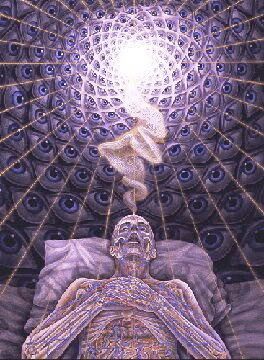
Dreams are a coping mechanism to prevent mental overload. They occur during the REM stage of sleep and have many different facets. They can help your subconscious memory unload that day’s (or possibly recent) underlying unfinished frustrations and repressed emotions such as worries or concerns; they can serve as premonitions, they can be a sign to change something in your life or they may merely be an over-riding thought from a recent activity.
We don’t recall most of our dreams, which is partially attributed to the catharsis our dreams give us by having the opportunity to unload certain worries or concerns without mentally remembering and subsequently reliving them in our dream state. At that point, our minds are satisfied with the unconscious resolution of the dream, so we tend not to remember them.
Conversely, when we’re very satisfied in most areas of our life, we’ll tend to have positive and enjoyable dreams.
There’s so much more to dreams such as a physiological aspect that involves the autonomic arousal system and various schools of thought such as the expectation fulfillment theory, but we don’t need to go there in this article!
Many in this field believe dreams are symbolic representations and/or metaphors of what’s going on our conscious mind, and may come out in various metaphors and symbols within our dreams. For example, if a man secretly wanted to have sex with his secretary, the dream might be represented by the man dreaming about his secretary pushing a file cabinet drawer in and out. The in-and-out motion represents a sexual movement, without actually dreaming of the real thing. In this school of thought, everything has some kind of meaning in our dream, including colors, sounds, smells, temperature, etc, but the emotions behind the dream is the imperative driving force to why we dream.
The reason we dream in metaphors and symbols is because the dreams may be interpreted or confused by our memory’s conscious mind as reality.
Right now, it's very common for people to have dreams about 2012 regarding family and saftey. Many dreams in this genre may also include some form of military representation, which could represent one's faith (or lack of faith) in our current government system. These type of dreams often involve a catastrophic event or the prelude to one.
If you're experiencing these types of dreams, then your subconscious mind is telling you that you haven't found a viable resolution to this problem. At this point, one may begin to ponder other scenarios or options in which the subconcious and conscious mind can both agree upon.
source: http://www.maya12-21-2012.com/misc.html
Subscribe to:
Posts (Atom)


 Posts
Posts

